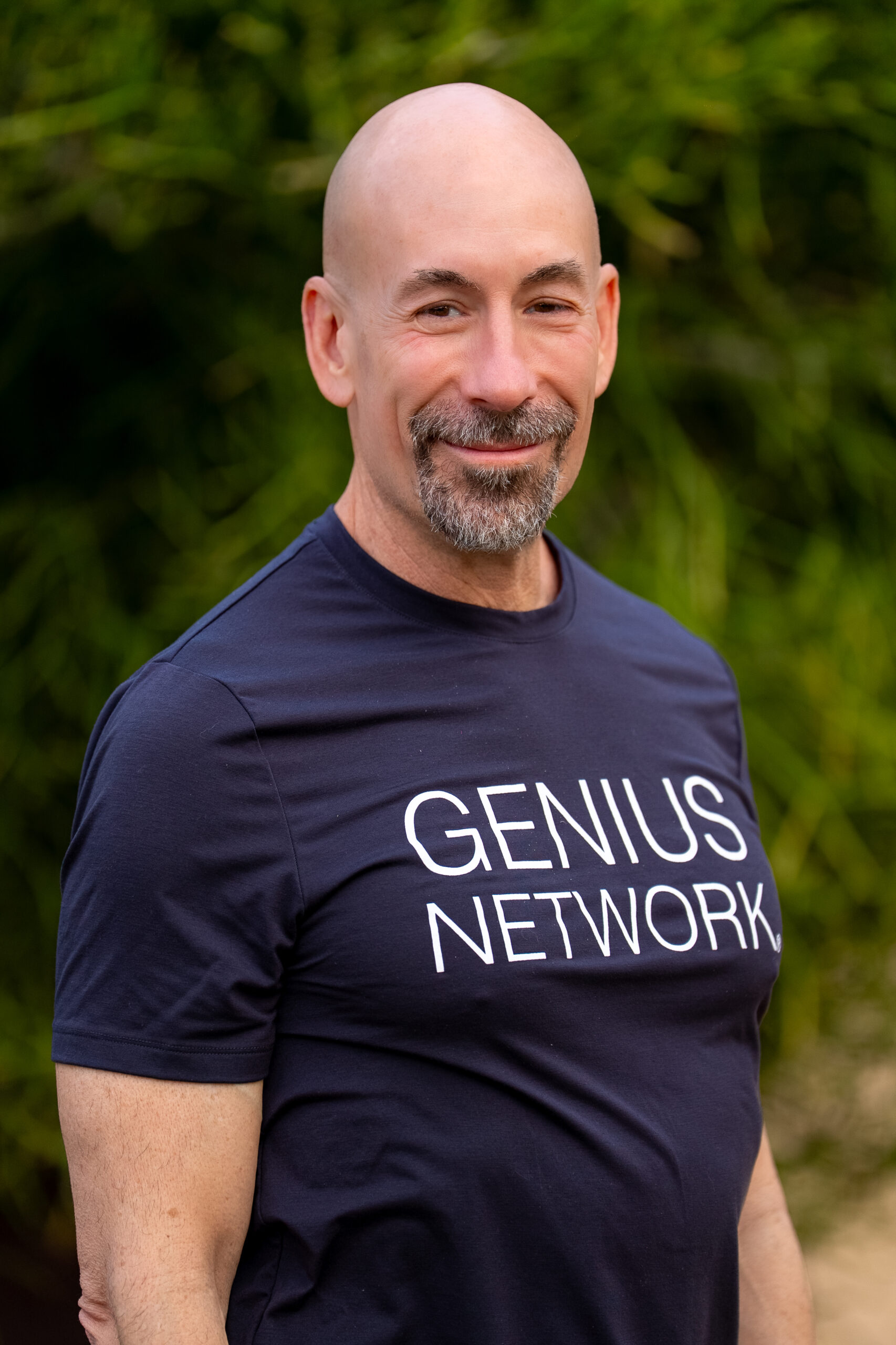
“What many don’t understand is that addiction isn’t a problem—it’s actually a solution.”
First, I want to say how sorry I am that you or someone you love is struggling with addiction. I know first-hand how painful it is. Addiction nearly killed me when I was 18 years old.
What I’ve learned since then is that almost all addiction stems from trauma. Once the addict goes into a craving state, it’s beyond willpower or intelligence. Looking at addiction from a state of compassion, as opposed to judgment, is critical.
The bottom line: help is available. And if you’re willing to do the work, there’s freedom on the other side.
Read the full letter →
An Open Letter to Anyone Struggling with Addiction
By Joe Polish
First, I want to say how sorry I am that you or someone you love is struggling with addiction. I know first-hand how painful it is. Addiction nearly killed me when I was 18 years old.
What I’ve learned since then is that almost all addiction stems from trauma. This can be difficult for some people to understand; they assume trauma has to mean a person was beaten, molested or in a life-threatening accident. But we all have different levels of sensitivity.
Addiction is something you are driven to do—anything you crave that gives you temporary pleasure or relief but then causes negative consequences. Addiction is something you are unable to give up, despite the suffering it causes.
The challenging thing for people that don’t have this craving to understand is how someone could have that craving in the first place. They wonder why the addict can’t just make a better choice.
I’m of the belief that addiction is not a choice. Once the addict goes into a craving state, it’s beyond willpower or intelligence. Intelligence can actually be a detriment because the smarter people are, the more they believe they can think their way out of the problem.
What many don’t understand is that addiction isn’t a problem—it’s actually a solution. If you’re in pain, angst, anxiety, fear, rage, depression, sadness, loneliness or experiencing any other form of suffering, there’s nothing wrong with wanting to be out of that pain. It’s how we go about scratching that itch that causes the issue.
Ultimately, addiction is a connection disorder. It’s feeling incredibly disconnected and uncomfortable in your own skin. You just want to numb out or escape. You want to feel something—anything except the dread that comes with that craving state…a state that always has compulsivity or impulsivity attached to it.
Looking at addiction from a state of compassion, as opposed to judgment, is critical. We cannot punish or beat addiction out of somebody. Sure, we can throw people in prison, scold them or run away from them, but that doesn’t help make the cravings go away. Love and compassion are critical—though, of course, those can be difficult emotions to embrace when dealing with addicts. The symptoms of addiction can be ugly; they often involve activities like cheating, disrupting, lying, stealing and other egregious acts. That’s because addicts will do anything to get out of the pain they are in. The addict brain has an appetite for destruction and is fueled more by chaos than harmony. In other words, it’s hard for addicts to feel okay. And it’s not easy to feel compassion for someone who’s leaving shrapnel in their wake. But the more you can understand that the addict is in pain and just trying to get out of it, the easier it can be to deal with the recklessness and chaos that comes with it.
Addiction is also biochemical. You are dealing with serotonin and dopamine. Once you quit the drug or behavior, you may have to fix and repair the gut. You have to get the body back to a state where it produces ‘feel good’ chemicals in order to cope with the uncomfortable feelings. This means exercise, yoga, meditation, float pods, the right nutrition, and more. The issues are in the tissues, and if you can incorporate movement and communities, it can help heal. Building a rapport by being around other addicts is critical. It doesn’t have to be a 12-step meeting; you just need a community—an ongoing, consistent community.
It’s a lot of work—but not nearly as much work as active addiction. And if you’re willing to do the work, there’s freedom on the other side that most addicts and their families probably haven’t ever experienced before. The bottom line: help is available. There are many people and resources available at little or no cost.
The Story Behind Genius Recovery
Addiction isn’t a moral failing. It’s a response to pain — and no one should have to face it alone. Wherever you are right now, you’re welcome here.
Whoever you are, you’re in the right place
Both paths lead to the same compassionate support. Just pick the one that fits.
I need support
You don’t have to have the right words. Just reach out, and we’ll listen.
I’m worried about someone I love
Watching someone you love struggle is its own kind of pain. We’ll help you find a way forward.
What happens when you reach out
Reach out
Call the support line. No forms, no waiting rooms.
Connect with our support line
Someone who listens without judgment, at your pace.
Find your next step
We connect you to the right resources and a clear path forward — for you or your loved one.
From Pain to Purpose
Genius Recovery was born out of a mission to change the way the world understands and supports addiction recovery — through compassion, education, and connection.
Meet Joe Polish — Founder
Joe Polish’s life was profoundly shaped by his struggles with addiction. Like many, Joe found himself battling substance abuse at a young age, searching for an escape from underlying pain and trauma. By the time he was 18, addiction had nearly taken everything from him — his health, his relationships, and his hope for the future.
It was in those darkest moments that Joe discovered something that would change his life: the root of his addiction wasn’t a lack of willpower or a moral failing, but rather a response to unresolved pain. This realization became the catalyst for his healing journey.
As Joe navigated his path to recovery, he saw firsthand how society isolates and judges those struggling, and how this only deepens the cycle of shame. He founded Genius Recovery to create a new paradigm in addiction support — one built on empathy, not judgment.
“Addiction isn’t a failure — it’s a response to pain. When we address the trauma, we unlock the potential for true healing.”
Changing How the World Sees Addiction
Through education, connection, and compassion, Genius Recovery has reached millions of people struggling with addiction and the families who love them.
Our programs have connected thousands of individuals and families to treatment, community, and hope. We produce educational content, host recovery conversations with the world's leading experts, and maintain a 24/7 support line — all free of charge.
What Drives Our Mission
Stories of Hope & Healing
Real insights, expert wisdom, and practical guidance to support your recovery journey and inspire transformation.
We believe the opposite of addiction is connection.
Genius Recovery exists to change how the world treats addiction — from judgment and shame to compassion and care. We don’t provide treatment ourselves. We’re a trusted first step that meets you where you are and connects you to the right human help.
Founded by entrepreneur Joe Polish out of his own recovery. Genius Recovery is a registered 501(c)(3) nonprofit.
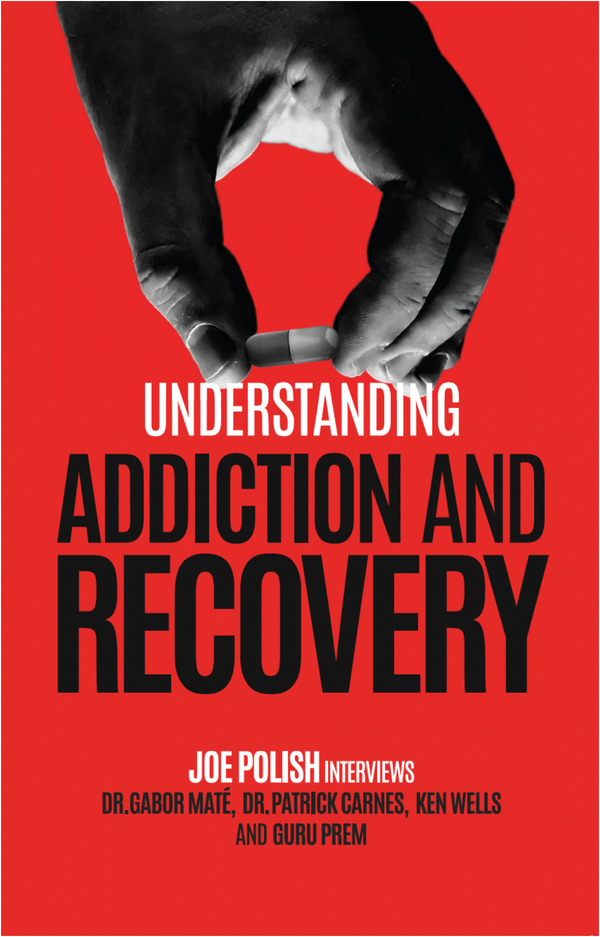
Understanding Addiction & Recovery
Exclusive insights from Joe Polish’s conversations with the world’s leading voices on addiction — including Dr. Gabor Maté, Dr. Patrick Carnes, and more.
100% free. No credit card. Instant access.
Emergency Support & Crisis Resources
Comprehensive crisis resources including 24/7 hotlines, overdose recognition, Naloxone information, and mental health support.
Recognizing an Opioid Overdose
Knowledge can save lives. Learn the critical signs and how to respond.
Person doesn’t wake up when shaken or shouted at
Slow, shallow, or no breathing
Lips, fingertips, or face turn blue or gray
Pupils shrink to very small size
What to Do
Available at pharmacies, community centers, and health departments. Simple nasal spray — no medical training required.
24/7 Crisis Hotlines & Support
Remember: Crisis is Temporary
Mental health crises are temporary and treatable. With the right support, people can and do recover. Help is available 24/7 — taking action in an emergency can save a life.
Your Voice Matters
Whether you’re seeking support, have questions, or want to partner with us — every conversation matters. We’re ready to listen.
Tempe, AZ 85282
Mon–Fri, 9am–4pm MST
Every call is free because of people who give
Your gift funds human connection — and helps more people find their first step toward recovery.